
What Causes Mold Growth in Chicago Properties
In Chicago’s humid climate, moisture is the fuel mold needs to thrive. After heavy summer storms or freezing winter pipe bursts, many Cook County property owners discover unwanted mold growth inside walls, basements, or crawl spaces. Mold typically begins to develop within 24–48 hours of water intrusion. Leaky roofs, window condensation, plumbing leaks, poor ventilation, or prior flooding are the usual culprits.
Early detection matters. Identifying and addressing moisture quickly prevents mold colonies from spreading into structural materials or HVAC systems—both costly and complex to remediate later.
Health Risks Associated With Mold Exposure
Even minor mold exposure can affect indoor air quality. Common symptoms include runny noses, headaches, coughing, and skin irritation. For children, older adults, and those with asthma or weakened immune systems, prolonged exposure can lead to serious respiratory issues.
The goal of professional mold remediation in Chicago isn’t just to clean visible mold but to reduce airborne spores and create a safer environment for everyone in the building.
Recognizing the Signs of Mold in Your Home or Business
Chicago property owners often first notice a musty odor—a sign of hidden growth behind drywall or under flooring. Discoloration on ceilings, bubbling paint, or warped baseboards often follow. If allergy symptoms worsen indoors or during certain seasons, it could indicate mold contamination linked to indoor humidity.
Professional Mold Inspection and Testing
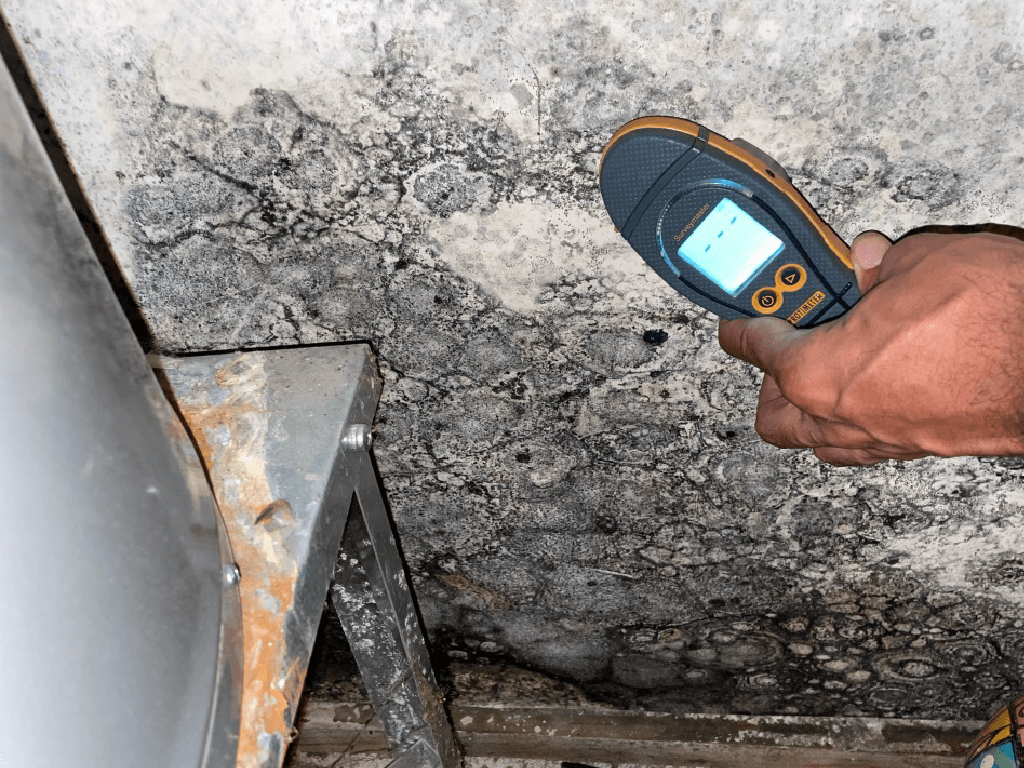
When mold is suspected, professional inspection is key. Certified specialists use tools like moisture meters, thermal imaging cameras, and air sampling equipment to identify where excess moisture is trapped and to determine the type and extent of mold contamination. Following IICRC S520 standards ensures findings are documented and a clear remediation plan is developed.
The Step-by-Step Mold Remediation Process
At Rytech Restoration of Central Cook County, mold remediation follows a science-based, systematic process:
- Inspection and Assessment: Locate the source and measure contamination.
- Containment: Prevent spores from spreading to unaffected areas.
- Air Filtration: Use HEPA filtration systems to clean airborne contaminants.
- Mold Removal: Safely remove mold-affected materials that cannot be restored.
- Cleaning and Sanitization: Clean surfaces and contents with approved methods.
- Drying and Restoration: Ensure the structure is fully dry to prevent regrowth.
Each step follows the ANSI/IICRC S520 procedures for professional mold remediation.
Containment and Air Filtration Techniques
Containment is critical in preventing cross-contamination. Restoration professionals install plastic barriers and maintain negative air pressure using HEPA-filtered air scrubbers. This isolates affected zones while capturing airborne spores before they spread to cleaner spaces.
Mold Removal and Equipment
Technicians use HEPA vacuums, wire brushes, and industrial-grade cleaners to remove growth. In certain cases, controlled demolition is performed on porous materials like drywall that cannot be salvaged. All removed materials are safely bagged and disposed of following local Cook County regulations.
Drying and Dehumidification
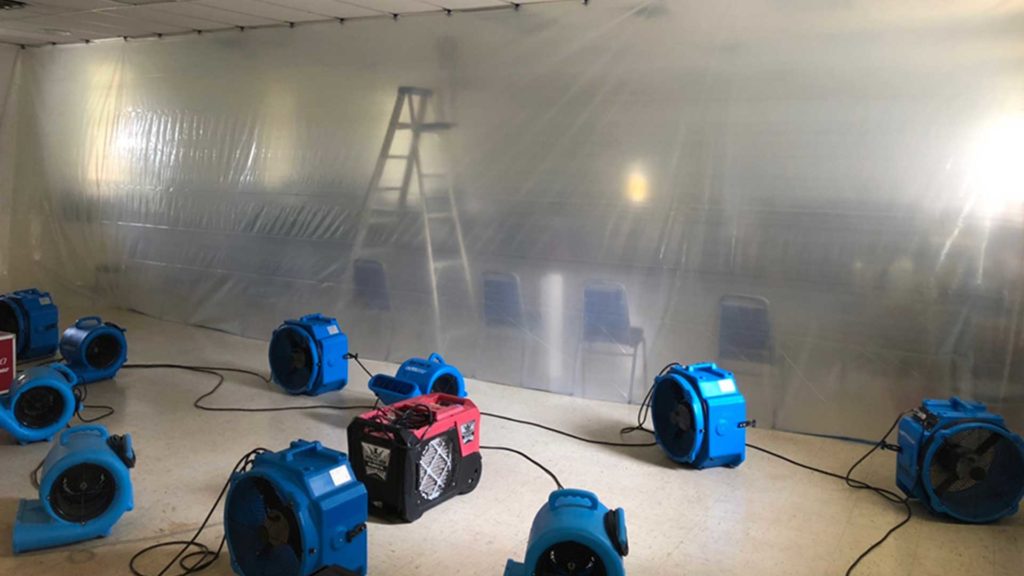
After removal, professional-grade dehumidifiers and air movers are used to eliminate residual moisture. Continuous monitoring ensures humidity levels remain low. Rytech’s advanced drying systems—built on ANSI/IICRC S500 drying science—reduce downtime and help avoid secondary damage.
Preventing Future Mold Growth
Long-term prevention begins with fixing leaks and controlling humidity. Ventilation improvements in bathrooms, kitchens, and basements help reduce condensation. Routine inspections, especially after severe storms, also help maintain a mold-resistant environment.
When to Hire Certified Mold Remediation Professionals
DIY cleaning might work for small, surface-level issues. However, widespread growth, recurring mold, or contamination within HVAC systems requires certified remediation. Rytech’s IICRC-certified technicians use specialized containment and cleaning systems, ensuring compliance with safety and insurance documentation requirements.
Mold Remediation Costs
The cost of remediation varies by the size and severity of contamination, materials affected, and accessibility. Residential jobs may range from minor localized treatment to full-scale structural remediation. Commercial projects often involve additional containment and clearance testing.
Insurance Coverage for Mold Damage
Homeowners’ insurance may cover mold if it results from a covered water event, such as a burst pipe or appliance failure. Documenting the cause early helps streamline claims. Rytech Restoration assists property owners through the insurance process, providing detailed moisture and mold documentation for adjusters.
Post-Remediation Verification
After cleanup, verification ensures the problem is fully resolved. Independent environmental professionals may conduct air or surface sampling to confirm mold spore counts are back to acceptable indoor levels—known as Condition 1 per IICRC S520. Rytech provides transparent documentation and photographs to verify project completion.
DIY vs. Professional Remediation
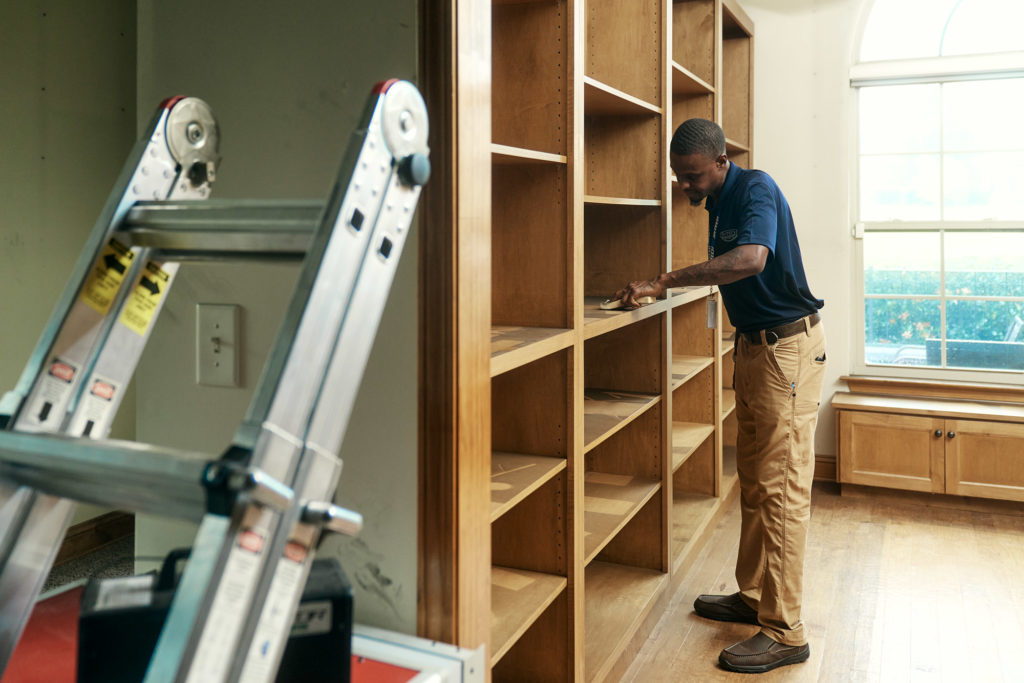
DIY mold cleaning products can temporarily mask problems, but without addressing the moisture source, mold often returns. Professional remediation provides containment, filtration, and scientific drying—critical steps for long-term results and indoor air quality protection.
Local Regulations and Compliance
Mold remediation professionals in Illinois follow OSHA safety standards and local building regulations. Rytech’s adherence to ANSI/IICRC S520 and S500 standards ensures compliance with best practices recognized nationwide.
A Local Expert’s Perspective
“In Chicago, we see everything from historic brownstones to modern high-rises, each with unique moisture challenges. Our team has spent years learning how these structures breathe and where they trap humidity,” says AJ Alghazali, owner of Rytech Restoration of Central Cook County. “We focus on stopping mold at its source and restoring properties quickly so families and businesses can get back to normal.”
AJ Alghazali, Owner, Rytech Restoration of Central Cook County
Get Inspected to Stay Protected
If you notice musty odors, visible mold, or recent water damage in your home or business, don’t wait. A professional inspection today can prevent a costly remediation tomorrow.
Get inspected to stay protected—with Rytech Restoration, your local IICRC-certified restoration team.
FAQs About The Home Mold Remediation Process
If you're seeking a reliable mold remediation service in Cook County, IL, you likely have inquiries about the process, the variety of services provided, and navigating insurance claims. In this setting, we tackle common queries, providing clarity on what to expect when you choose Rytech Restoration of Central Cook County for your mold remediation needs.


