
When water damage happens, every decision matters.
In Chicago and throughout Central Cook County, water damage can happen fast — and often at the worst possible time. From frozen pipes in the winter to heavy summer storms and basement backups, homes and businesses across the area are at constant risk.
“Should I try to clean this up myself — or call a professional restoration company?”
"As the owner of Rytech Restoration of Central Cook County, I’ve seen this story play out countless times. Homeowners think they’ve solved the problem — only to call us weeks later when hidden moisture has caused mold, odors, or damage to drywall and flooring.
AJ Alghazali, Owner, Rytech Restoration of Central Cook County
The truth is, DIY water cleanup only fixes what you can see. But water damage runs deeper — literally.
Let’s break down the difference between DIY cleanup and professional water damage restoration in Chicago, so you can protect your property and make the best decision for your situation.
Understanding Water Damage: It’s What You Can’t See That Causes Trouble
When water enters your home or business, it spreads fast — flowing behind walls, under flooring, and into insulation. Even after the visible water is gone, moisture often remains trapped deep within materials.
That’s why professionals follow the ANSI/IICRC S500 Standard for Professional Water Damage Restoration, which outlines the proven science and procedures required to dry structures safely and completely.
The Three Categories of Water Damage
Not all water is the same — and each type requires a different restoration approach:
- Category 1 – Clean Water: Comes from a sanitary source, like a broken supply line or sink overflow.
- Category 2 – Gray Water: Contains some contaminants, such as water from a washing machine or dishwasher leak.
- Category 3 – Black Water: Highly contaminated, such as floodwater or sewage backup.
In a city like Chicago, where storm sewers, basement sump pumps, and plumbing systems are constantly working, many water losses fall into Category 2 or 3 — which require professional mitigation to protect your health and property.
The DIY Approach: What Most Property Owners Try
When water damage happens, most property owners jump into action — and that’s the right instinct. Acting quickly can make all the difference.
But without the right tools, experience, and understanding of how moisture spreads, DIY cleanup often leaves hidden damage behind.
Common DIY Cleanup Steps
- Using towels, mops, or a shop vac to remove visible water.
- Running household fans or opening windows.
- Using small dehumidifiers.
- Cleaning with bleach or store-bought disinfectants.
While these methods can help reduce immediate surface water, they don’t dry structural materials like drywall, carpet padding, or subflooring.
Why DIY Cleanup Usually Falls Short
- Hidden Moisture: Water wicks up walls and under flooring, where it can’t be seen or reached.
- Mold Growth: Mold begins to grow within 24–48 hours, especially in humid summer months.
- Insufficient Drying Power: Household fans and dehumidifiers can’t achieve professional airflow or humidity control.
- Health Risks: Contaminated water can spread bacteria and allergens.
- Insurance Documentation: DIY cleanups often lack the professional reports insurance adjusters require.
Professional Water Damage Restoration: Why Rytech Is the Safer, Smarter Choice

At Rytech Restoration of Central Cook County, we don’t just clean up water — we restore your property using certified methods backed by science and experience.
Our process follows the IICRC S500 Standard of Care, ensuring every project is performed safely, thoroughly, and according to industry best practices.
Certified Experts
Our team is IICRC-certified and trained to identify the category, class, and full scope of water damage. We know how to dry your structure completely — not just the surface.
Advanced Detection & Drying Technology
We use thermal imaging, hygrometers, and moisture meters to detect hidden water.
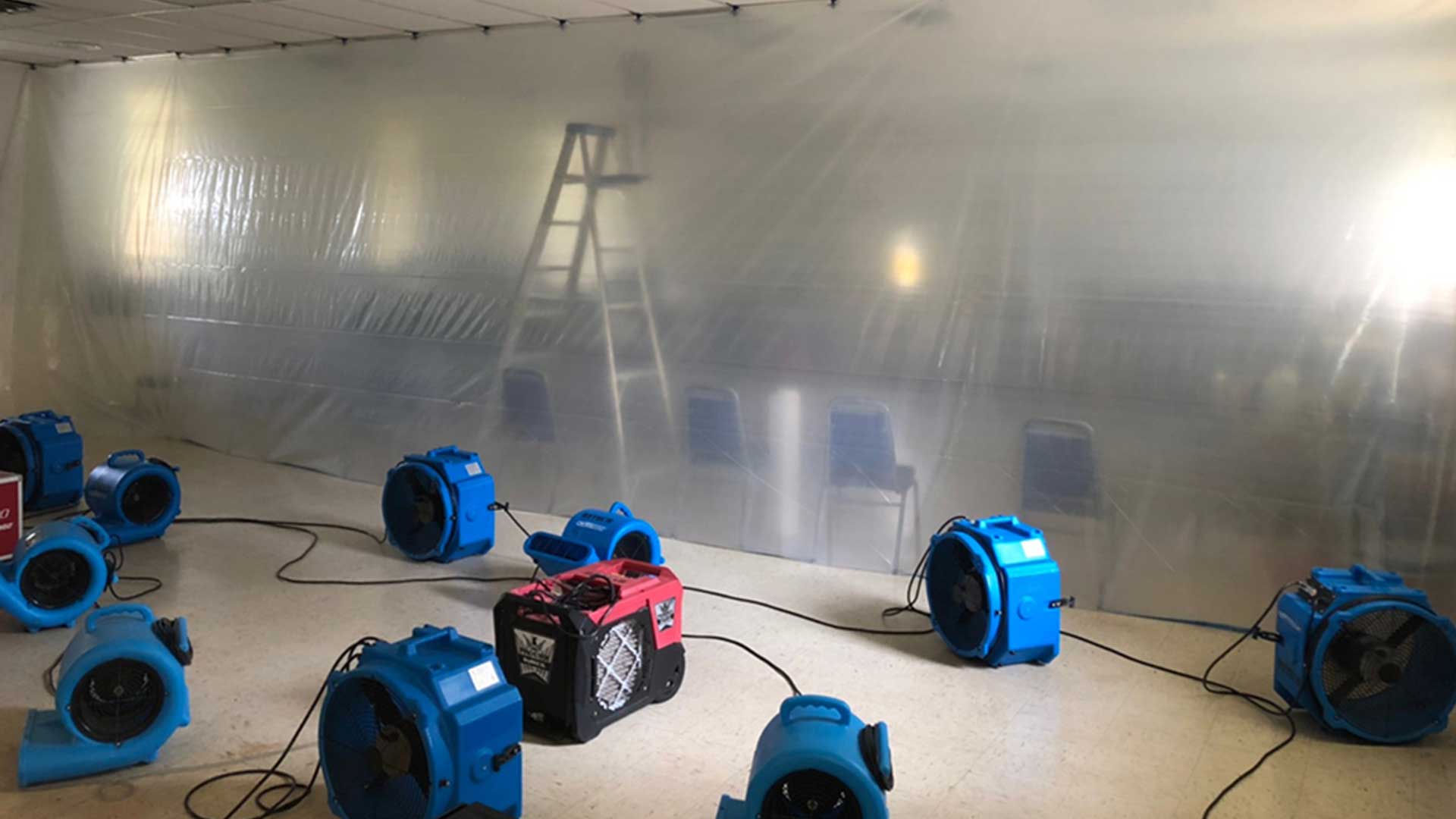
Our industrial air movers and dehumidifiers use psychrometry — the science of controlling humidity, airflow, and temperature — to dry your property efficiently and effectively.
Health & Safety Focus
We use EPA-approved antimicrobial solutions to help reduce microbial growth and protect indoor air quality.
Insurance-Friendly Documentation
We provide complete documentation — including photos, readings, and progress reports — to simplify your insurance claim and verify that your property is truly dry.
DIY vs. Professional: The Real Cost Breakdown
| Factor | DIY Cleanup | Professional Restoration (Rytech) |
|---|---|---|
| Upfront Cost | Low | Moderate |
| Hidden Damage Risk | High | Low |
| Drying Accuracy | Guesswork | Scientifically measured |
| Mold Prevention | Unlikely | Controlled and verified |
| Insurance Documentation | None | Fully compliant |
| Long-Term Cost | High | Lower overall |
DIY might look cheaper upfront, but when you add in repairs for mold, flooring, drywall, or structural issues later, professional drying almost always saves money in the long run.
While DIY might save you a few dollars today, hidden water damage can cost thousands later — from warped floors and drywall repairs to full mold remediation.
When DIY Might Be Okay — and When It’s Time to Call Rytech
DIY Might Work If:
- The water spill is small and contained on a hard, nonporous surface (like tile).
- You can clean and fully dry the area within 24 hours.
Call Rytech If:
- The water came from a leak, flood, or appliance failure.
- Water soaked drywall, carpet, insulation, or cabinets.
- You notice musty odors, discoloration, or warped materials.
- It’s been more than a few hours since the incident.
- You’re managing a commercial or multifamily property that requires documentation.
The Rytech Water Damage Restoration Process
- 24/7 Emergency Response (Within 4 Hours) – We respond quickly to assess and contain the damage.
- Inspection & Moisture Mapping – Identify the source, water category, and extent of damage.
- Water Extraction – Remove standing and trapped water with high-powered extraction tools.
- Drying & Dehumidification – Control humidity, temperature, and airflow for total drying.
- Cleaning & Sanitization – Apply antimicrobial treatments and odor control solutions.
- Monitoring & Documentation – Record daily moisture readings and progress updates.
- Final Verification – Confirm your property meets IICRC standards for dryness and safety.
Why Chicago Properties Need Professional Help
Chicago’s mix of old and new construction, basements, and extreme weather creates unique water damage risks:
- Heavy rainfall and snowmelt cause frequent basement flooding.
- Frozen pipes during Chicago winters can burst unexpectedly.
- High humidity in summer promotes mold growth in damp spaces.
- Older buildings with plaster or brick hold water longer.
- Commercial and multi-unit properties require certified documentation for insurance compliance.
Take the Next Step: Protect Your Property Today
If you’ve had a leak, flood, or pipe burst in your Chicago home, business, or rental property, don’t wait. The longer water sits, the worse the damage becomes.
Rytech Restoration of Central Cook County offers 24/7 emergency service, IICRC-certified technicians, and advanced drying technology to restore your property quickly and safely.
FAQs: Answering Your Pressing Water Damage Restoration Questions
At Rytech Central Cook County, we understand how stressful water damage can be. That’s why we’ve created a helpful FAQ section to walk you through the entire restoration process. From what to expect during each phase to how we handle cleanup and communication, our answers are designed to provide clarity and confidence—so you feel supported every step of the way as we restore your home or business.


